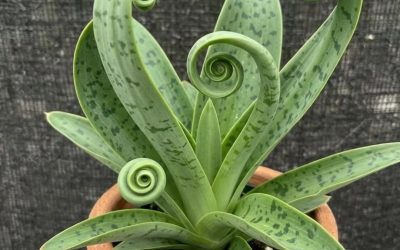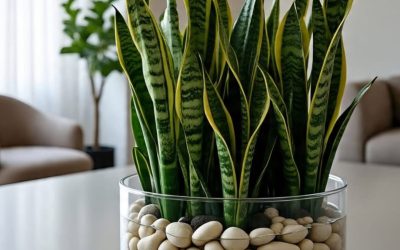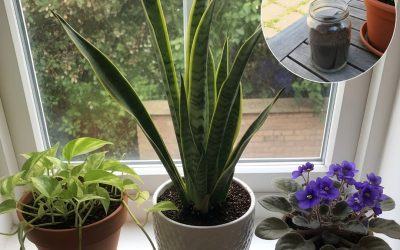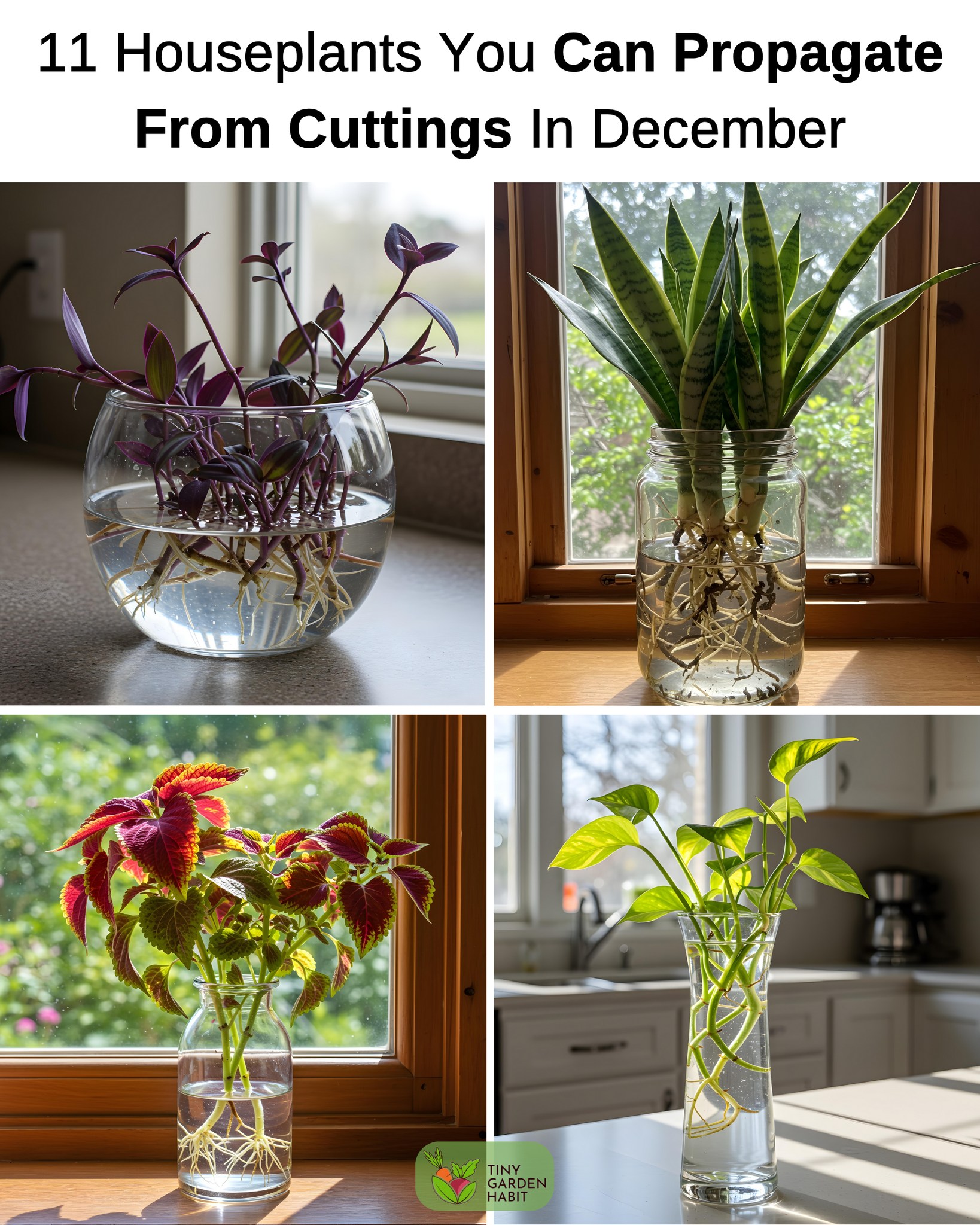
You have the freedom to propagate them in both water and soil, but keep in mind that new baby plants usually appear in 4-6 weeks. Winter light actually helps keep growth compact!
10: Holiday Cactus

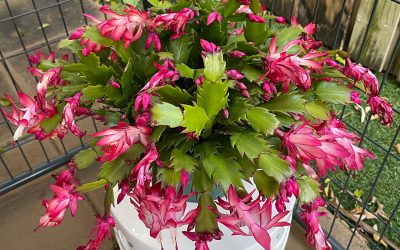
Name a better combo than propagating a Christmas or Thanksgiving cactus in December…I’ll wait.
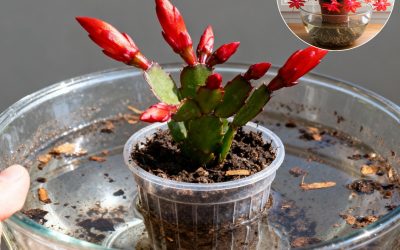
Twist off a small Y-shaped segment, let it dry for a day (24 hours), then place it in barely-moist soil. They root surprisingly fast if you don’t overwater.
And if you want a more detailed walk-through for holiday cacti, I have a full step-by-step version that shows exactly what the segments and new roots should look like
11: Inch Plant

Inch plants root almost instantly. A simple stem cutting in water will show roots within a week. It’s one of the easiest plants to multiply during winter.
Quick tip: Inch plants flop if they don’t get enough light during rooting, so I place them right near a bright window for compact growth.
If you want a deeper look at all the little tricks that make inch plants root even faster, I have a full guide on propagating them that walks through every step
Basic Propagation Tips For Success

Before you start snipping, here are a few things I wish someone had told me when I first started propagating houseplants. They’re simple, but they make the whole process so much easier, especially in winter, when everything roots at its own slow, cozy pace.
These tiny habits made a huge difference for me. Once you get the feel for it, winter propagation becomes one of those relaxing little routines, and honestly, half the fun is checking in every day to see what’s happening (even if nothing’s happening yet).
And if your home doesn’t get much natural light in winter, I also have a list of houseplants that grow well in low-light corners, super handy if you’re working with darker rooms.
Water Vs Soil Propagation: Which Is Better?

What’s the best choice? For most common houseplants, starting them in water is the fastest and most reliable. I still switch to soil once the roots are a couple of inches long. Succulents, though, are the one exception, they must be propagated in soil only.