Rice water has mild soothing and brightening properties.
It may help:
- Calm irritation
- Reduce redness
- Improve skin texture
- Temporarily tighten pores
How to Apply:
- Soak a cotton pad in cooled rice water.
- Use as a toner after cleansing.
- Let air dry.
Always patch test first.
3. Soothing Minor Skin Irritation
The starch in rice water can create a light protective barrier on skin. Some people use it for:
- Mild sunburn
- Dry patches
- Sensitive skin
It is gentle, but it should not replace medical treatment for serious skin issues.
4. Plant Fertilizer
Diluted rice water can be used to water plants. The trace nutrients may support soil microbes.
Important:
- Use unsalted rice water only.
- Dilute before using on plants.
- Do not overuse (can attract pests if over-applied).
5. Digestive Use (Traditional Practice)
In some cultures, lightly salted rice water has been used as a home remedy for mild digestive upset. However, this should not replace medical care for serious symptoms like dehydration or infection.
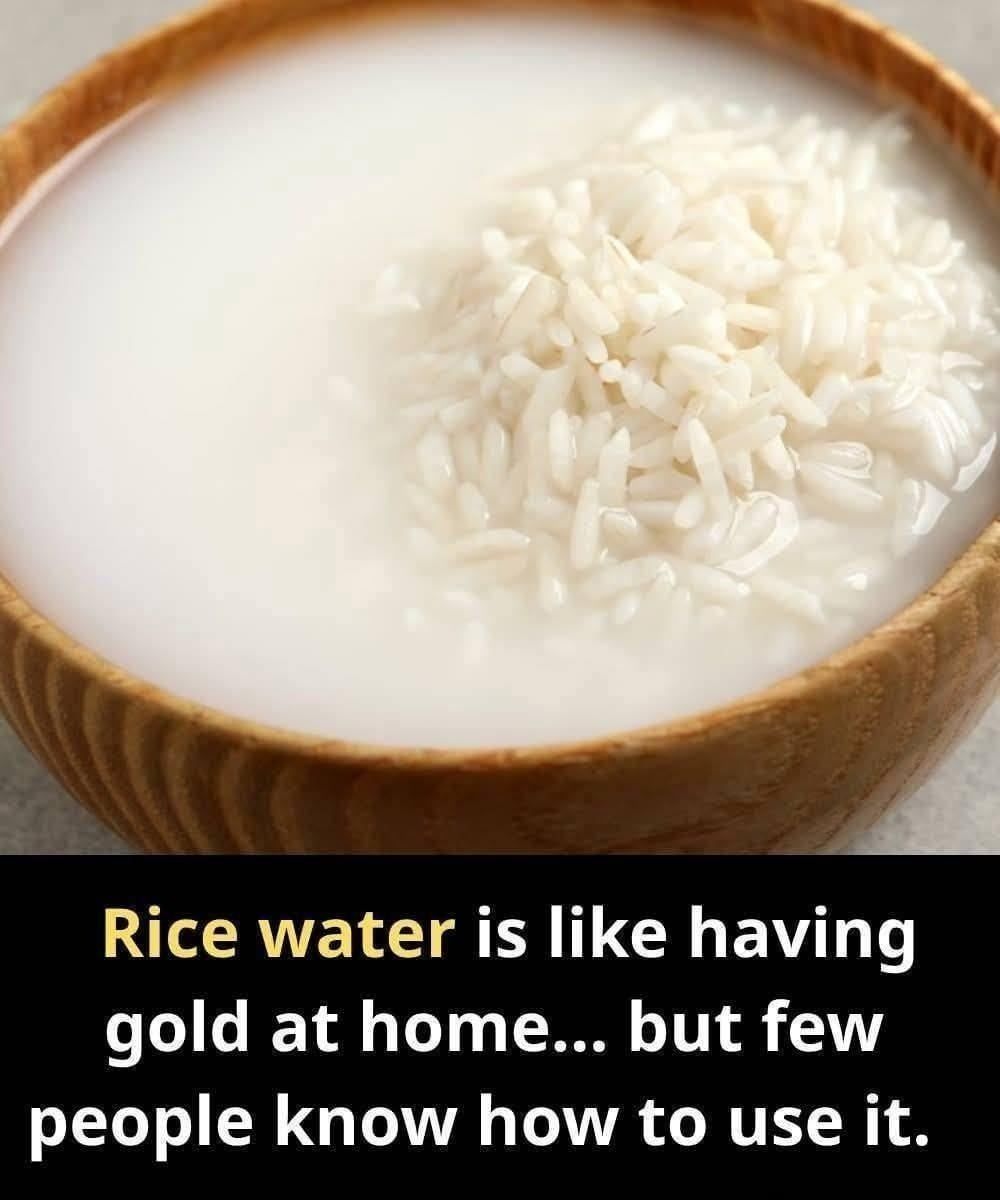
How to Make Rice Water
Soaking Method (Most Popular)
- Rinse ½ cup of rice to remove dirt.
- Add 2–3 cups of clean water.
- Let soak 30 minutes.
- Strain and store liquid.
Boiling Method
- Cook rice in extra water.
- Strain excess liquid once cooked.
- Cool before use.
Store in the refrigerator for up to 3–4 days.
Fermented Rice Water
Some people ferment rice water for 24–48 hours at room temperature before refrigerating. Fermentation may increase antioxidant levels, but it can also create a stronger smell.
Do not use if it smells spoiled.
Important Notes
- Do not use rice water if mold develops.
- Avoid using salted or seasoned rice water for skin or hair.
- If irritation occurs, stop using it.
Natural does not always mean risk-free.
Why It’s Called “Liquid Gold”
Rice water is:
- Free
- Easy to make
- Multi-purpose
- Rooted in traditional practices
- Widely accessible
It turns something usually discarded into something potentially useful.