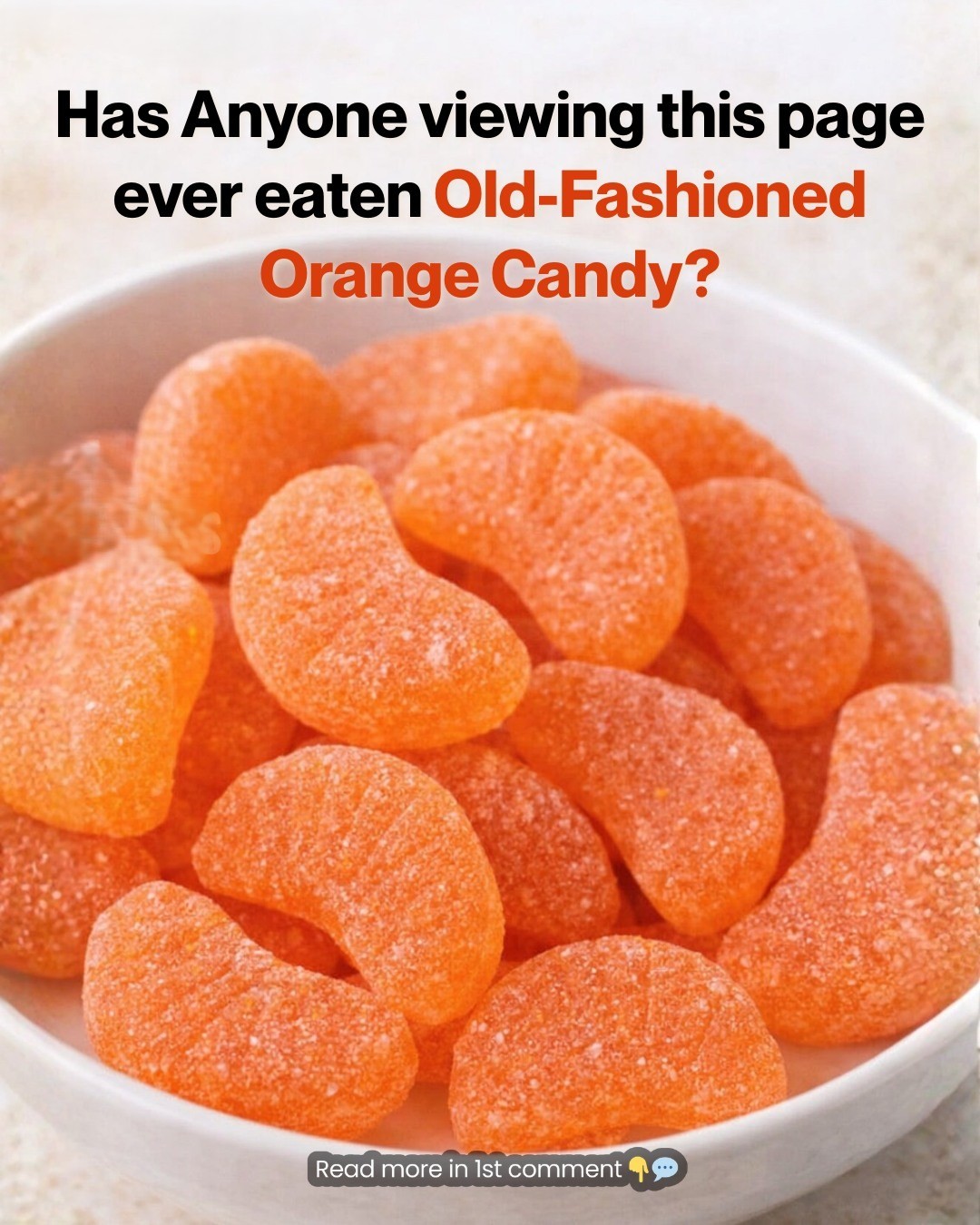
There’s something unmistakably comforting about the bright, citrusy burst of orange candy. From childhood memories of unwrapping a sweet after dinner to festive holiday stockings filled with citrus-flavored treats, orange candy has remained a beloved classic across generations. Its vibrant color, refreshing flavor, and nostalgic charm make it a staple in candy dishes around the world.
The Sweet History Behind Orange Candy
As global trade expanded and citrus fruits became more widely available in Europe and North America, confectioners began experimenting with fruit extracts and essential oils. The fragrant oils found in orange peels proved especially appealing—they were bold, aromatic, and naturally sweet with a gentle tang.
By the 18th and 19th centuries, sugar production had increased significantly, making candy more accessible. Orange flavor quickly found its way into boiled sweets, fruit jellies, and candied peels. By the early 20th century, it was firmly established as one of the most popular fruit flavors in candy shops.
Unlike heavier chocolate treats, orange candy offered a refreshing brightness that felt lighter and more uplifting—especially during warmer months.
Why Orange Flavor Never Goes Out of Style
Orange candy’s enduring appeal comes down to balance:
- Sweet, but slightly tangy
- Bold, yet refreshing
- Familiar, but never boring
That subtle citrus sharpness cuts through sugary richness, keeping the flavor lively instead of overwhelming.
Color also plays a powerful role. The bright orange hue evokes sunshine, warmth, and celebration. It naturally fits into:
- Holiday stockings
- Halloween candy bowls
- Easter baskets
- Summer gatherings
It simply looks happy.

Popular Types of Traditional Orange Candy
Over the years, orange flavor has taken many classic forms:
Hard Orange Candies
see continuation on next page