Carcinogenic
Harmful to the liver and immune system
Resistant to cooking heat
Soft fruits and vegetables (like tomatoes, cucumbers, or peppers) should be discarded entirely if moldy—because roots can penetrate deep inside.
Hard vegetables (like carrots or cabbage) can sometimes be salvaged by cutting off at least 1 inch around the mold—but it’s safest to throw them out.
✅ Bottom Line: Always inspect produce before use. When in doubt, toss it out.
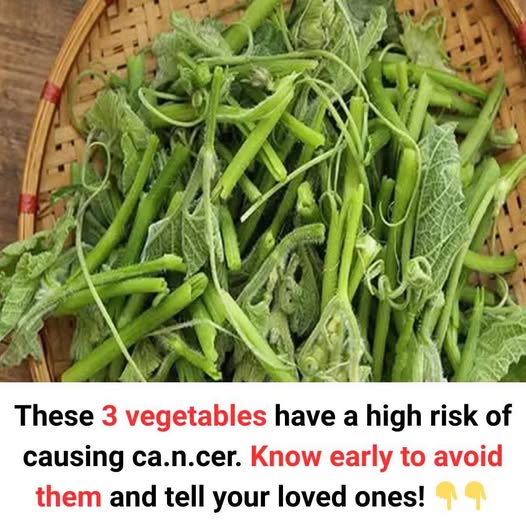
🍃 What About Bitter Vegetables Like Gourd Shoots?
Another viral myth claims that bitter gourd (bitter melon) or its shoots are toxic and cancer-causing. This is false.
In reality:
Bitter melon is used medicinally across Asia and studied for its anti-diabetic and anti-cancer properties.
The bitterness comes from compounds like momordicin, which have antioxidant effects.
Only wild, extremely bitter squashes (not cultivated ones) may contain cucurbitacin, a toxic compound that causes nausea and vomiting—but these are rare and usually taste intolerably bitter.
✅ Bottom Line: Cultivated bitter melon is safe and even beneficial. If a vegetable tastes extremely bitter, spit it out—but don’t fear normal bitter greens like kale, arugula, or gourd.
🛡️ How to Protect Your Family from Misinformation
Fear-based health claims spread fast—especially when they involve food and cancer. Here’s how to respond wisely:
1. Check the Source
Ask:
Is it a reputable health organization (WHO, CDC, IARC, Mayo Clinic)?
Or is it a random Facebook page with no medical credentials?
2. Look for Nuance
Real science rarely says “never eat X.” It says “moderation,” “context,” and “risk vs. benefit.”
3. Wash, Peel, Cook, Store Properly
Simple habits reduce real risks:
Wash all produce under running water
Store leftovers promptly
Discard spoiled food
Ferment or pickle using safe, tested recipes
4. Eat a Diverse Diet
No single food causes or prevents cancer. Focus on balance: plenty of colorful vegetables, whole grains, lean proteins, and limited processed foods.
5. Talk to a Doctor or Dietitian
If you’re concerned about diet and cancer risk, consult a professional—not an influencer.
✅ Final Thought: Fear Hurts More Than Fiction
The real danger isn’t in your vegetable drawer.
It’s in fear-driven misinformation that makes people afraid to eat healthy foods.
Yes, there are real risks—like eating spoiled food or consuming extremely salty preserved items daily.
But those don’t mean vegetables are the enemy.
In fact, the opposite is true:
👉 Diets rich in vegetables are consistently linked to lower rates of cancer, heart disease, and chronic illness.
So keep chopping, cooking, and sharing meals with love.
Because the best protection against disease isn’t fear.
It’s knowledge, balance, and a plate full of color.
❤️ Share this truth with your loved ones—not the scare.