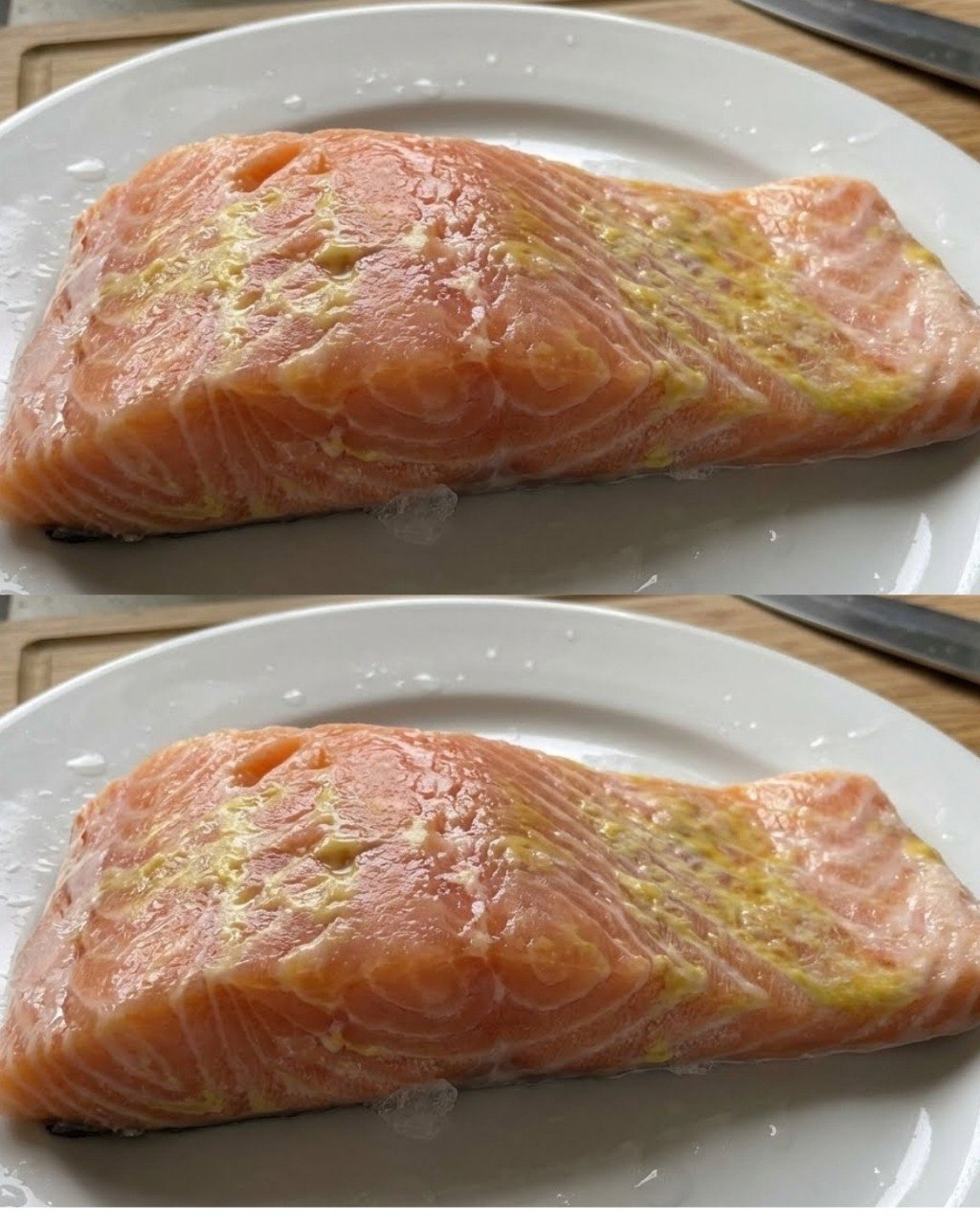
Salmon is a family favorite in our house—grilled with a splash of lemon, glazed in teriyaki, or simply pan-seared to buttery perfection. So imagine my surprise the other day when I pulled a frozen fillet from the freezer, thawed it, and noticed an unexpected yellowish tint on the flesh. My first thought? “Is this still safe to eat?”
I’ll admit: it was unsettling. Fresh salmon should glow with that rich, vibrant pink we all know and love. Yellow? Not so much. My mind raced through possible explanations—had it been frozen too long? Stored incorrectly? Had it spoiled without any obvious warning signs? After a deep dive into seafood safety (and several cups of coffee spent cross-referencing sources), I discovered something reassuring: a yellowish hue on defrosted salmon isn’t automatically a red flag.
The Science Behind the Yellow Tint
Oxidized Fat
Salmon is naturally rich in healthy fats—part of what gives it that melt-in-your-mouth texture. But those fats can oxidize over time, especially if the fish has been frozen for an extended period or wasn’t stored airtight. Oxidation causes the fat to change color, often turning yellow or even slightly brown. Think of it like an apple slice left out too long—it browns, but it’s not necessarily spoiled. Similarly, oxidized fat may affect appearance and flavor slightly, but it doesn’t mean the salmon is unsafe—as long as there are no other signs of spoilage, such as a sour odor, slimy texture, or off taste.