Freezer Burn
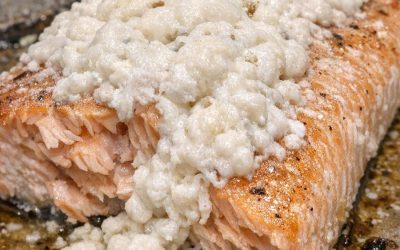
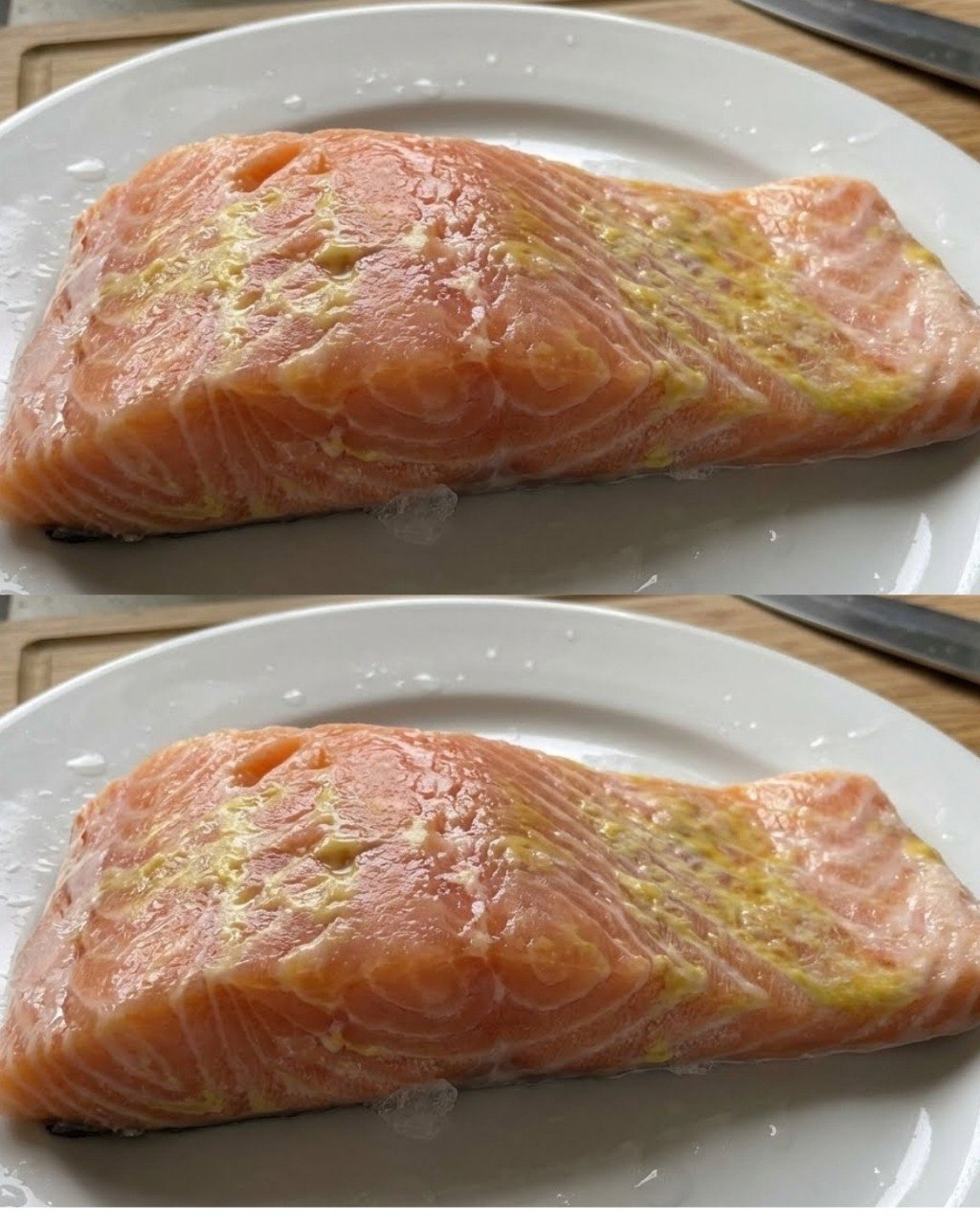
Another common cause? Freezer burn. If salmon isn’t tightly sealed before freezing, moisture can escape, leading to dry, discolored patches—sometimes yellow, sometimes whitish. While freezer-burned areas might be a bit tough or bland, they’re not dangerous. Simply trim them away, and the rest of the fillet is usually perfectly fine to cook and enjoy.
Natural Variation
Believe it or not, some salmon naturally have a yellowish tint—especially in the belly area. Wild-caught salmon often get their color from their diet: tiny crustaceans, algae, and other marine life rich in natural pigments like carotenoids. Farm-raised salmon are typically more uniform in color due to controlled feed (often supplemented with astaxanthin to mimic that classic pink), but minor variations still occur. So in some cases, that yellow hue might just be part of your fish’s natural palette.
How to Tell If It’s Still Good
When in doubt, trust your senses—just like my grandma taught me:
Smell it: Fresh salmon should smell clean and mildly oceanic, like sea air. A strong, fishy, or sour odor is a warning sign.
Touch it: The flesh should feel firm and spring back when gently pressed. If it leaves an indentation or feels mushy, it’s best to discard it.
Inspect it: Look for excessive slime, dullness, or widespread discoloration beyond a small yellow patch.
In my case, the salmon passed all tests. I trimmed the discolored portion as a precaution, seasoned it with lemon and dill, and grilled it as planned.