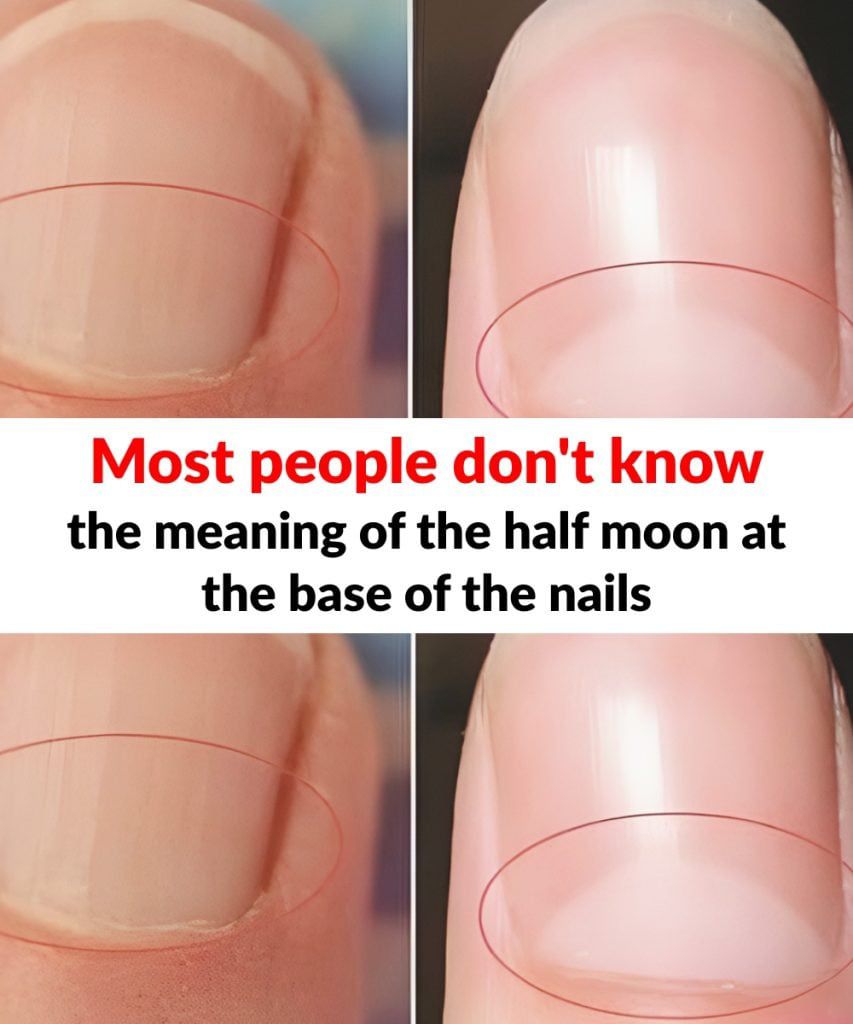
Many myths surround the half-moon at the base of the nails. Let’s clarify a few:
- Myth: “All healthy nails must have visible lunulae.”
Fact: Lunula visibility varies widely and may be naturally absent or subtle in some individuals without indicating health issues. - Myth: “Large lunulae are always better.”
Fact: Lunula size is largely genetic. Excessively large lunulae are not necessarily healthier—they simply reflect individual nail matrix characteristics. - Myth: “Lunula disappearance always signals illness.”
Fact: Lunulae can become less visible with age or changes in nail thickness without indicating underlying disease.
How to Maintain Healthy Lunulae
While the lunula is partially determined by genetics, there are steps you can take to maintain nail health and promote visibility:
1. Balanced Nutrition
A diet rich in vitamins and minerals supports keratin production and nail growth. Key nutrients include:
- Biotin: Supports nail strength and growth.
- Vitamin B12: Essential for healthy nail pigmentation and matrix function.
- Zinc: Promotes cellular growth and repair.
- Iron: Prevents brittle nails and promotes oxygen transport.
2. Proper Hydration
Hydration is crucial for nail and skin health. Dry nails are more prone to splitting, which can obscure the lunula.
3. Gentle Nail Care
Avoid excessive filing, aggressive manicures, or harsh chemicals that may damage the nail matrix. Protect your hands from trauma to maintain healthy nail growth.
4. Regular Observation
Check your lunulae regularly. Any sudden changes in size, color, or shape may indicate underlying health issues worth discussing with a healthcare professional.
5. Exercise and Circulation
Maintaining healthy blood flow through regular exercise can improve oxygen delivery to the nail matrix, supporting lunula health.
When to Seek Medical Advice
While most variations in lunula appearance are harmless, certain changes may require professional evaluation:
- Rapid disappearance of lunulae.
- Persistent discoloration (red, blue, yellow, or dark spots).
- Pitting, deep ridges, or irregular surface patterns.
- Associated symptoms such as fatigue, shortness of breath, or unexplained weight changes.
Monitoring these signs can help detect underlying conditions early and promote overall well-being.
Fun Facts About the Lunula
- Not everyone has visible lunulae, and their absence is not inherently unhealthy.
- The lunula is most prominent on the thumbs because the matrix there is larger.
- The term “lunula” literally translates to “little moon” due to its crescent shape.
- Ancient cultures sometimes interpreted lunulae as indicators of vitality or spiritual energy.
Conclusion
The half-moon at the base of the nails, or lunula, is far more than a minor cosmetic feature. It is a small but powerful indicator of nail health and can provide subtle clues about nutrition, circulation, organ function, and overall well-being. Observing the size, shape, and color of your lunula can reveal important insights into your body’s internal processes, serving as an early warning system for changes that might require attention.
Maintaining healthy lunulae involves proper nutrition, hydration, gentle nail care, and awareness of overall health. While genetic and age-related factors influence their appearance, taking steps to support nail matrix function ensures optimal nail growth and preserves this fascinating, crescent-shaped feature.
By understanding and observing the lunula, we can gain a unique perspective on our health, combining scientific insight with a touch of natural curiosity. Next time you glance at your nails, take a moment to notice the little half-moons—they may be quietly telling you more about your body than you ever realized.