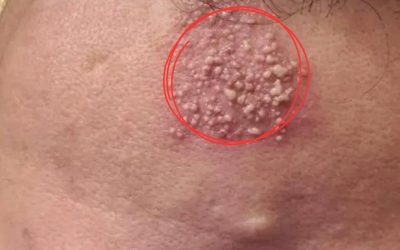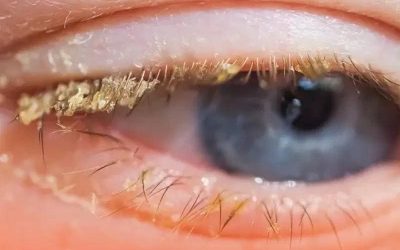
While there’s no cure for HSV-1, antiviral creams or oral medications can shorten outbreaks and reduce discomfort. If you experience frequent flare-ups, it’s best to speak with your healthcare provider about preventive treatment options.
4. Canker Sores Inside the Lips
If the bump is inside your lip rather than on the outer surface, it could be a canker sore. These small, round ulcers often have a white or yellow center surrounded by redness.
Canker sores are not contagious but can be quite painful, especially when eating or talking. They’re often triggered by stress, injury to the mouth, certain foods, or hormonal changes.Rinsing with salt water or using soothing oral gels can help them heal faster. They typically disappear within one to two weeks without treatment.
5. Mucoceles — Blocked Salivary Glands
A mucocele is a small, fluid-filled bump that forms when a salivary gland becomes blocked. It often appears inside the lower lip or on the inner cheeks.
These bumps can feel smooth and round, sometimes with a bluish tint. They’re usually harmless and painless, but persistent ones may need to be drained by a dentist or doctor if they don’t resolve on their own.Avoiding lip-biting or sucking habits can help prevent mucoceles from forming in the future.
6. Oral Thrush (Yeast Infection in the Mouth)
If you notice white patches or creamy spots that can be wiped off but quickly return, it may be a sign of oral thrush, a yeast infection caused by Candida overgrowth.
Thrush can develop when your immune system is weakened, after antibiotic use, or due to wearing dentures. It’s more common in babies, older adults, and people with diabetes.
Symptoms may include soreness, a cotton-like feeling in the mouth, and difficulty swallowing. Treatment involves antifungal medications prescribed by a doctor, along with maintaining good oral hygiene.7. Milia — Small White Cysts Under the Skin
Milia are tiny, firm white bumps that form when keratin (a skin protein) gets trapped under the surface of the skin.
They commonly appear on the face — including the lips, cheeks, and eyelids — and are completely harmless. Unlike pimples, milia aren’t caused by bacteria or clogged pores.
Exfoliating gently and avoiding heavy creams can help prevent new ones from forming. If they persist, a dermatologist can safely remove them using minor procedures.
8. Allergic Reactions or Irritation
Sometimes, white bumps on the lips can result from an allergic reaction to certain products like toothpaste, lip balm, lipstick, or spicy foods.Contact dermatitis can cause small raised bumps, redness, or peeling around the lips. The key is identifying and avoiding the irritant. Switching to hypoallergenic or fragrance-free products can make a big difference.
If swelling or itching accompanies the bumps, an antihistamine or soothing lip ointment may provide relief.
9. Oral Lichen Planus (Chronic Inflammation)
Oral lichen planus is an inflammatory condition that can cause white patches or lacy streaks inside the mouth or on the lips.It’s often associated with immune system activity, stress, or certain medications. While not contagious, it may cause mild discomfort or burning sensations.
Your doctor may recommend corticosteroid treatments or medicated mouth rinses to manage symptoms and prevent flare-ups. Regular dental checkups help monitor any long-term changes.
10. When to See a Doctor