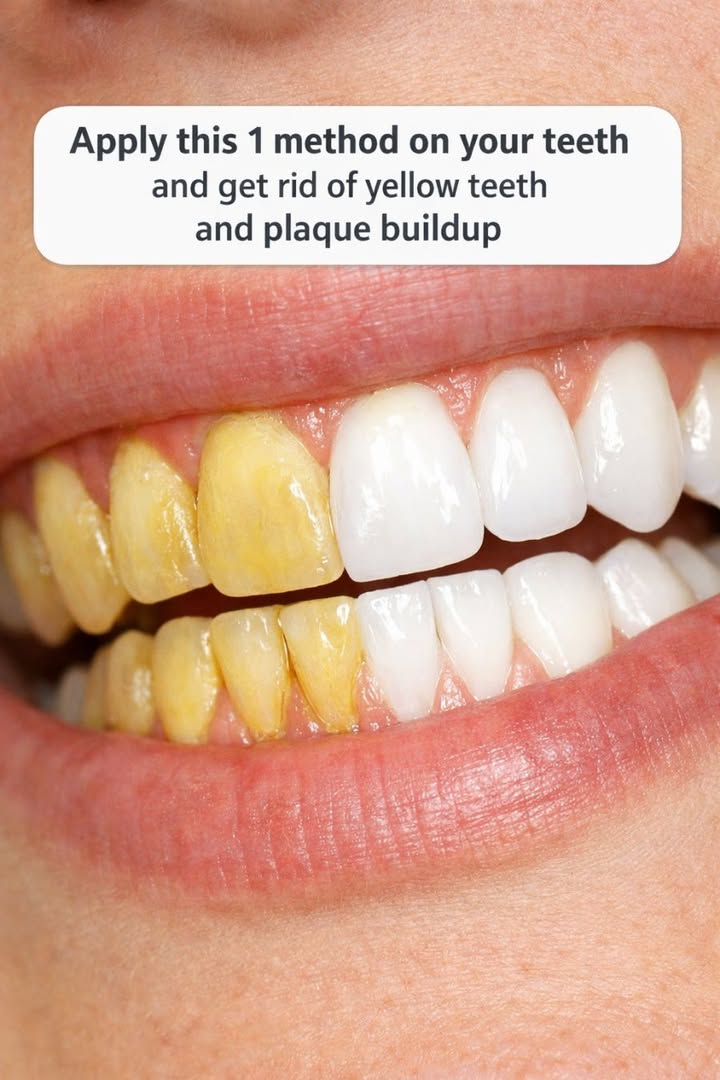
A bright, white smile is often considered a hallmark of good health and personal care. However, due to various factors ranging from dietary choices to lifestyle habits, many people find themselves struggling with yellow teeth and unsightly plaque buildup. The quest for a dazzling smile has led to a myriad of solutions, but not all are effective or safe.
In this article, we delve into a single, dentist-approved method that promises to tackle both yellowing and plaque accumulation efficiently. This method is not only straightforward but also accessible, allowing you to achieve noticeable improvements in the comfort of your own home.
1. The Single Method Dentists Swear By For Yellow Teeth And Plaque
The method that many dentists recommend for combating yellow teeth and plaque is the use of baking soda, or sodium bicarbonate. Known for its mild abrasive properties, baking soda effectively polishes teeth surfaces and neutralizes acids produced by bacteria in plaque.
To use this method, create a paste by mixing one teaspoon of baking soda with two teaspoons of water. This simple mixture can be applied to your toothbrush and used just like regular toothpaste. The gentle abrasive action helps scrub away surface stains, while the alkaline nature of baking soda neutralizes acids, reducing the risk of plaque formation.
2. How This Method Actually Works On Stains And Buildup
Baking soda's effectiveness in removing stains and buildup lies in its chemical composition. The fine particles of baking soda act as a mild abrasive that can effectively remove surface stains from enamel without damaging it. This is particularly useful for extrinsic stains caused by foods, drinks, or smoking.
Additionally, baking soda's alkalinity helps balance the mouth's pH level, making it less hospitable for plaque-forming bacteria. This dual action not only helps in whitening the teeth but also in maintaining a healthier oral environment, preventing further plaque accumulation.
3. Step-By-Step Guide To Using The Method At Home
1. Begin by wetting your toothbrush with water.
2. Dip the wet bristles into a small amount of baking soda to coat them.
3. Brush your teeth gently in circular motions for about two minutes, ensuring you cover all surfaces.
4. Rinse your mouth with water thoroughly to remove any residual baking soda.
5. Follow up with your regular toothpaste to ensure complete oral hygiene.
For the best results, perform this routine once or twice a week. Overuse of baking soda can lead to enamel erosion, so it's important to adhere to this frequency.
4. How Often To Use It For Noticeably Whiter Teeth
Using the baking soda method once or twice a week is sufficient for most individuals. This frequency allows you to benefit from the whitening and plaque-reducing effects without risking damage to your enamel. It's important to note that more frequent use can lead to increased sensitivity and potential enamel wear.
For those with particularly sensitive teeth, starting with once a week and observing any reactions is advisable. Adjust the frequency based on your comfort and the results you observe over time.
5. What To Expect: Realistic Timelines And Visible Results
While some people notice a difference after just one use, most individuals will see visible improvements in their teeth color and plaque levels after a few weeks of consistent application. Typically, noticeable whitening occurs after 2 to 6 weeks, depending on the severity of the stains and the individual's oral hygiene habits.
Keep in mind that this method is most effective on surface stains and may not yield significant results for intrinsic discoloration, which typically requires professional treatment.
6. Common Mistakes That Make The Method Less Effective
A true depression-era classic people forget about. Simple, comforting, and surprisingly satisfying

He Chose Silence Over Me

My Son Built a Ramp for the Boy Next Door – Then an Entitled Neighbor Destroyed It, yet Karma Came Faster than She Expected
Bit into a dried date and found black powder and a weird shell inside — is this mold?

Mona Lisa