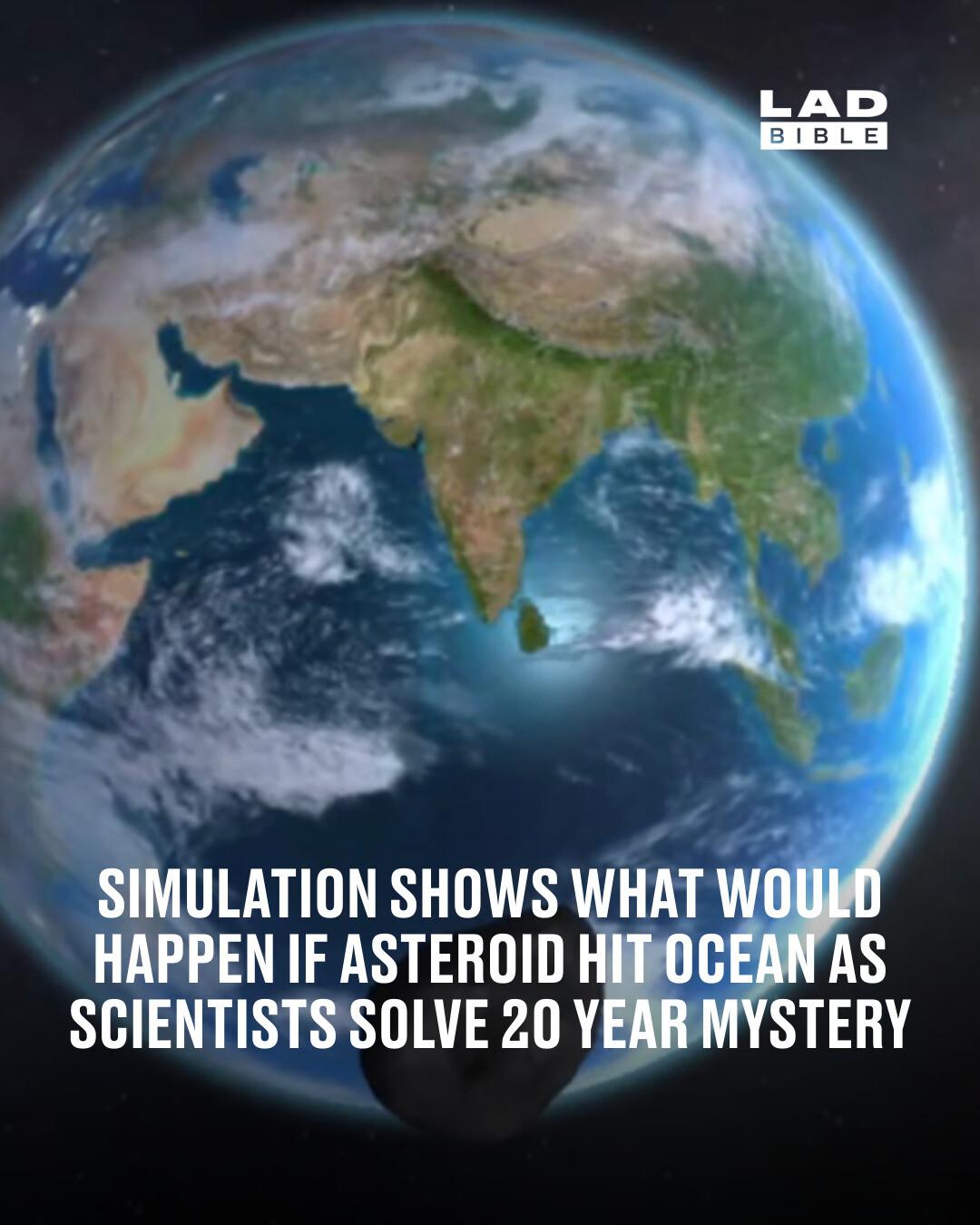
If the world wasn't scary enough already, we're also regularly warned that a gigantic asteroid might come crashing into our home planet.
If an asteroid were to crash into the sea, it would likely cause significant destruction, particularly if it were to trigger a tsunami, with a YouTube simulation emphasising exactly that.
And it turns out that's exactly what happened to cause a crater 80 miles off the coast of Yorkshire around 43–46 million years, not that it was known as Yorkshire or God's Own County back then.
Back in 2002, scientists discovered what has come to be referred to as the Silverpit Crater beneath the southern North Sea, with no real explanation as to what had caused it.
However, researchers at the Heriot-Watt University have now used combined seismic imaging, microscopic analysis of rock fragments, and computer modelling to provide the clearest evidence yet that the crater was caused by an asteroid from space.
Dr. Uisdean Nicholson, a sedimentologist in Heriot-Watt University's School of Energy, Geoscience, Infrastructure and Society, said: "New seismic imaging has given us an unprecedented look at the crater.
"Samples from an oil well in the area also revealed rare 'shocked' quartz and feldspar crystals at the same depth as the crater floor.
"We were exceptionally lucky to find these -- a real 'needle-in-a-haystack' effort. These prove the impact crater hypothesis beyond doubt, because they have a fabric that can only be created by extreme shock pressures."
The evidence suggests that the asteroid was around 160 metres wide and it hit the seabed from the west at incredible speeds, creating a humongous tsunami which was over 100 metres high.
As the above simulation shows, the impact would have produced a violent explosion at the seafloor and sent enormous waves spreading across the region, so it's fortunate that humans wouldn't show up until around 40 million years later.
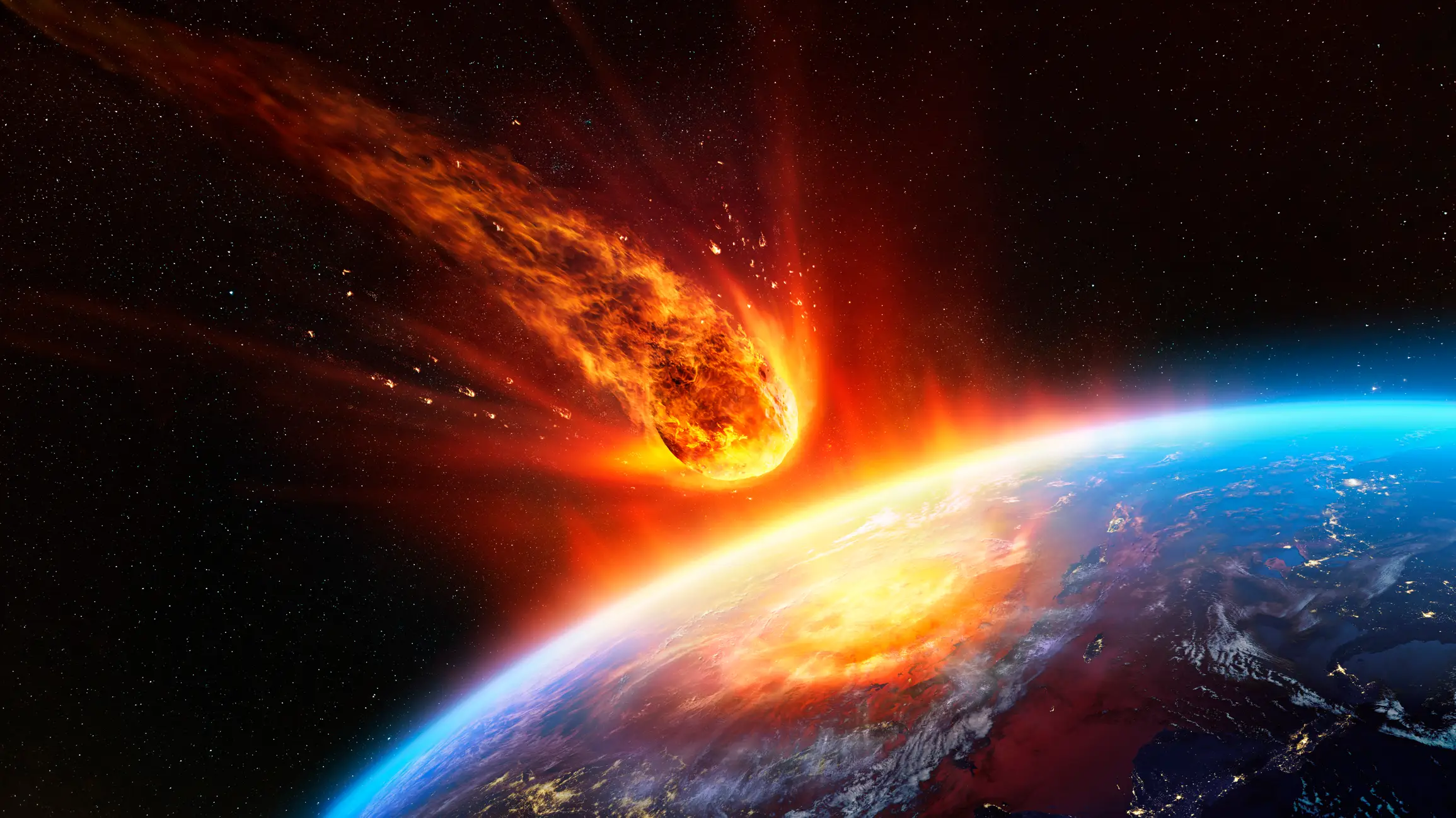
Let's keep our fingers crossed that this doesn't happen anytime soon (NASA Goddard Space Flight Center Image by Reto Stöckli)
Professor Gareth Collins, who attended a 2009 debate about the crater, also weighed in with some new opinions after the recent research.
He said: "I always thought that the impact hypothesis was the simplest explanation and most consistent with the observations.
"It is very rewarding to have finally found the silver bullet. We can now get on with the exciting job of using the amazing new data to learn more about how impacts shape planets below the surface, which is really hard to do on other planets."
This is not only a rewarding research project because of the mystery that its managed to solve, but also because of how it might help in the future if we're hit by an asteroid.
Dr. Nicholson said, "Silverpit is a rare and exceptionally preserved hypervelocity impact crater.
"These are rare because the Earth is such a dynamic planet -- plate tectonics and erosion destroy almost all traces of most of these events.
"Around 200 confirmed impact craters exist on land, and only about 33 have been identified beneath the ocean.
"We can use these findings to understand how asteroid impacts shaped our planet throughout history, as well as predict what could happen should we have an asteroid collision in future."
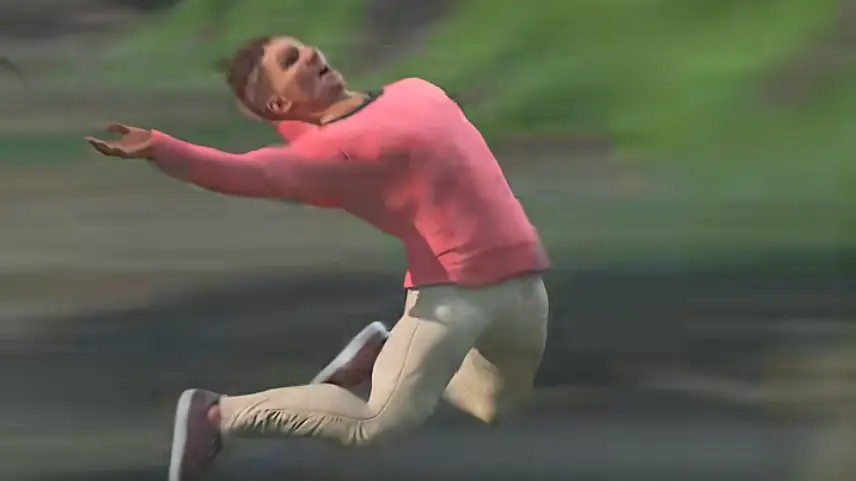
A frightening simulation shows what would happen if the world was to stop spinning.
As we all know (and if you don’t, give your head a wobble), our planet is constantly rotating around, and around, and around on its own axis.
Of course, with the Earth spinning, we therefore have the sunrise and sunset - so rather than the Sun being the thing that’s moving, it’s our spinning that makes its position in the sky change.
Going at 1,000 miles per hour, it takes 24 hours to complete a full rotation. Yes, what a coincidence, a full day.
And this spinning is obviously essential, even if we don’t actually notice it. But as he always does, the trusty Zack D Films on YouTube has created a simulation to explain how you really would notice if the world did somehow stop spinning.
The Earth is constantly spinning. (NASA)
Unsurprisingly, it’s not particularly pretty and would cause scenes straight out of a disaster film.
Placing an animated hand to stop the movement of the globe, the simulation explains: “If the Earth suddenly stopped spinning, you’d instantly be thrown east at over a thousand miles an hour.”
It says the 'force of the movement' would keep everything moving at the same speed.
Pretty scarily, the simulation shows cars, trees, peoples, rocks and just, well, all sorts flying through the air super fast. Like I said, disaster movie.
“Anything not attached would go flying,” it says. “Even oceans would shift with devastating force.”
And yeah, it then shows what is essentially just a giant tsunami spreading across the globe.
“And since the atmosphere would keep going too, powerful winds would blast across the planet.”
The simulation explains that ‘without the spin’, the planet’s magnetic field could ‘collapse’.
Then here comes the biggie: “The planet would quickly fry, causing total extinction.”
BBC Sky at Night Magazine explains that if the planet's spin gradually stopped, the effects would also occur gradually, resulting in longer days and nights.
Our circadian rhythm would also be disturbed and weather patterns would start to change.
Eventually, one side of the Earth would be subjected to continuous daylight and heat from the Sun, while the other would be in constant darkness, getting super cold.
Many forms of life on the planet would therefore suffer a mass extinction.
Featured Image Credit: Zack D Films
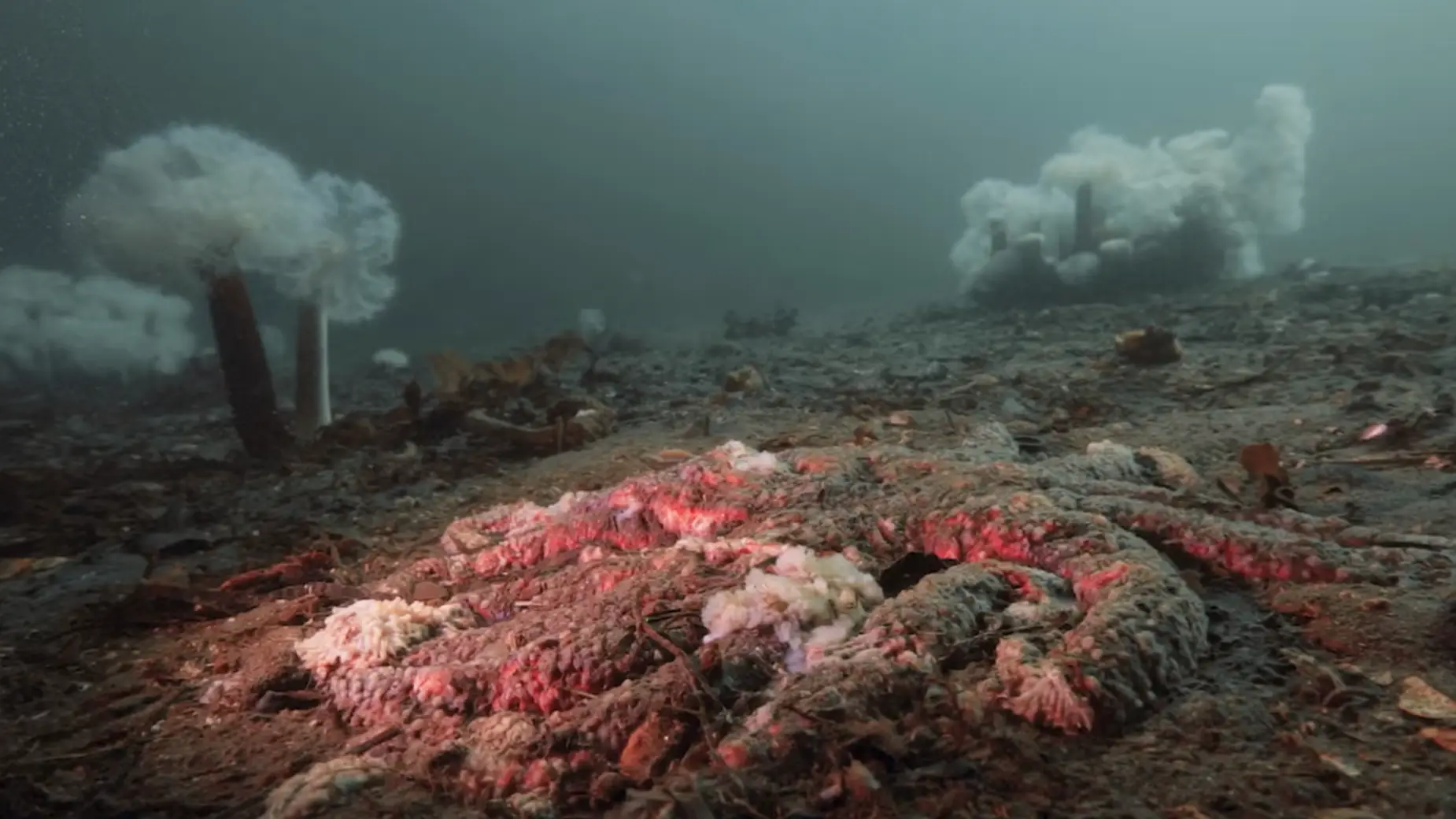
In 2013, scientists were left perplexed when billions of starfish started to turn into goo, but now, there's an answer behind the mystery.
The ocean can be a terrifying place if all those videos of people dropping their GoPros into the sea are anything to go by.
But what's more scary than a mystery that hasn't been solved?
According to NOAA, only 5 per cent of the ocean has been explored, so something like a 'woman's voice' or a 'faceless fish' is bound to cause some concern.
And 12 years ago, starfish across the US were mysteriously turning into goo on the ocean floor, in an epidemic which remained a mystery - until now, that is.
What happened as billions of starfish turned into goo?
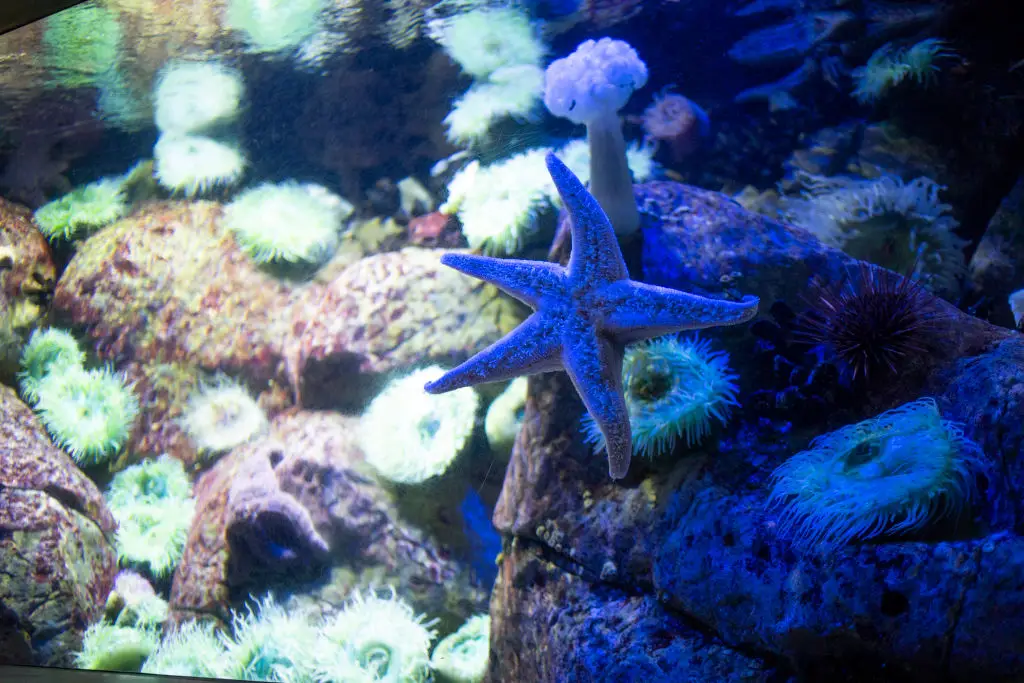
Billions of sea stars were wiped out (Luis Boza/VIEWpress via Getty Images)
The epidemic resulted in the mass death of several starfish species, with Associated Press reporting that more than 20 species were affected, even today.
It was so bad, in fact, that the sunflower sea star was placed on the critically endangered list, losing 90 per cent of its population in the first five years.
The outbreak was later named the sea star wasting disease (SSWD), which symptoms include abnormally twisted arms, white lesions, deflation of arms and body, arm loss, and body disintegration (via National Park Service).
Where did it happen?
The epidemic swept across the Pacific Coast of North America, resulting in billions of sea stars living between Mexico and Alaska meeting their demise.
In a matter of days, the dismantled bodies of sea stars were spotted on beaches across the Pacific Coast, as their very being was literally melted away by the mystery plague.
What did scientists find?

After 12 years of studying, scientists think they have an answer (Getty Stock)
While scientists were pretty confident that the culprit causing the epidemic was from the Vibrio species, which also causes cholera in humans, they had a harder time identifying exactly which species caused it.
After years of laboratory experiments and field sampling of tissue extracts from infected starfish, a new study, published in the journal Nature Ecology and Evolution, was recently able to identify it as Vibrio pectenicida, a species with unusual characteristics that have allowed it to remain entirely undetected since the epidemic first struck.
And scientists reckon that things could get far worse with this pathogen present, as it is said to thrive in the warmer waters that have been brought about via climate change.
However, identifying the pathogen is a crucial first step towards the long-term goal of eliminating it from our oceans, allowing sea stars to thrive on the ocean floor.
The development of a diagnostic test to detect the pathogen's genetic sequence is the researcher's main priority, and co-author of the study, Melaine Prentice, from the Hakai Institute, also said that healthy sea stars could now be tested to see whether they need to be relocated, or bred in captivity in a conservation effort, before being added back into affected areas.
Featured Image Credit: Hakai Institute
Although it seems like we're constantly being told to drink more of the stuff, it turns out too much water isn't good for you either.
A good glug of H2o will certainly quench your thirst and keep you hydrated, however, like a lot of things in life, it's best consumed in moderation.
According to the NHS, we should all be aiming to drink up to six to eight glasses of water a day to avoid dehydration and to ensure our bodies have enough to function properly.
Hopefully, your urine will be a clear, pale yellow colour if this is the case - and you can keep tabs on how hydrated you are by using this as a benchmark.
The NHS might describe water as a 'healthy and cheap' choice of beverage, but people can easily take this mantra too far by sipping too much of the stuff. You see, overflowing our bodies with water can have some pretty scary, and even fatal, consequences.
YouTuber Zack D. Films shared a simulation of what can happen if you drink a lethal amount of water and it's safe to say, the majority of viewers are now wary about overindulging in water.
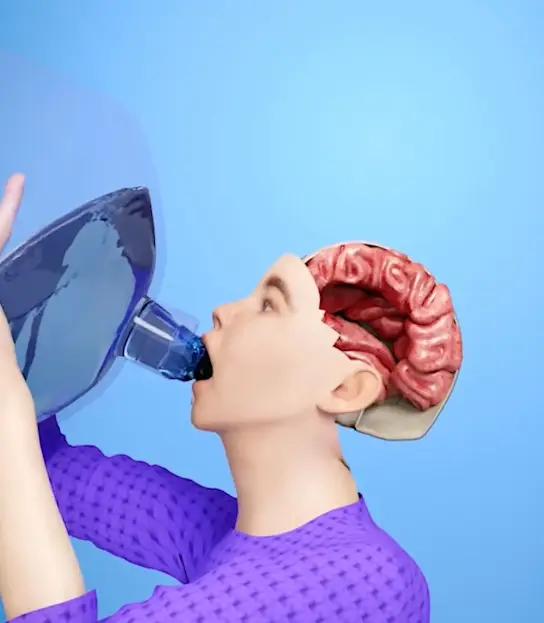
The simulation left a lot of people feeling wary about how much water they drink (YouTube/Zack D Films)
In the short clip, the content creator explained to his 21million subscribers that in severe cases, you can even die from it.
Narrating one of his trademark terrifying visuals, Zack said: "If you drink too much water, the excess will fill up your stomach and get absorbed into your blood stream.
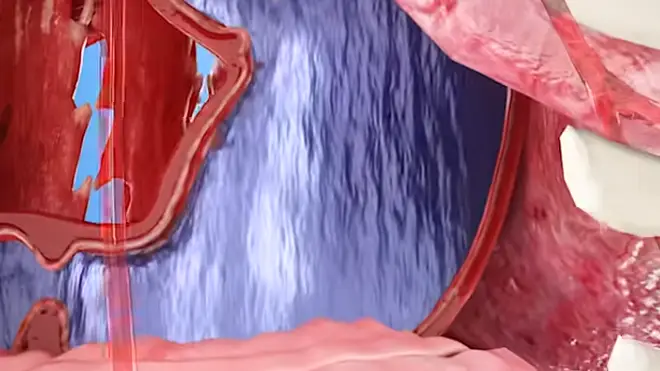
"This can eventually cause your brain cells to swell up, which pushes your brain into your skull and increases the pressure.
"And depending on your size, if you drink around six litres of water in a few hours, your brain would swell up so much that you could go into a coma and die."
After social media users watched the simulation, which showed a person's brain nearly bursting out of their skull, people were left pretty spooked. Nice one, Zack.
One commented: "New fear unlocked: drinking water."
Another said: "Zack giving everybody Aquaphobia."

Sipping too much of the stuff can have some dire consequences health-wise (Getty Stock Image)
A third wrote: "This will live rent free in my mind every time I drink water."
And a fourth chimed in: "Crazy how something we need to survive can kill us in so many ways."
So, while we're on the topic - just how can drinking too much water be deadly?
Well, just like a football pitch after a rainy day, our bodies can become waterlogged if there is too much water in our bodies that we don't need.
Health experts at Cleveland Clinic explain this can lead to a condition called water intoxication. This occurs because is a chemical imbalance in the body which can't be cleared by naturally sweating or urinating.
Drinking too much water dilutes our blood, electrolytes and sodium (salt) levels, the latter of which is known as hyponatremia. As a result of there being excess water in the body, the liquid is drawn into regions where the concentration of salt is highest and then enters the cells, causing them to swell as they try and make room for it.
While most cells are able to stretch, the skull prevents this from happening in the brain - which can be extremely dangerous, as it increases pressure on the organ as well as affecting how it operates.
M. Amin Arnaout, chief of nephrology at Massachusetts General Hospital and Harvard Medical School, previously told the Scientific American: "Rapid and severe hyponatremia causes entry of water into brain cells leading to brain swelling, which manifests as seizures, coma, respiratory arrest, brain stem herniation and death."
Experts say that we should measure our liquid intake in comparison to our thirst, as medics such as Joseph Verbalis, chairman of medicine at Georgetown University Medical Center reckon it's 'the best indicator'.
But if you are worried you might have sipped slightly too much water, there are some symptoms you can keep an eye out for which might suggest you are suffering from water intoxication.
These include nausea, vomiting, excessive bloating, a headache, drowsiness, muscle weakness, pain or cramps, and also changes to your mental state, such as confusion, irritability, and dizziness.
The Cleveland Clinic also points out that swelling in your hands, feet, and stomach might occur.
If you don't seek treatment in time, severe cases of water intoxication can lead to seizures, delirium, a coma, and even death - although this is rare.
Featured Image C
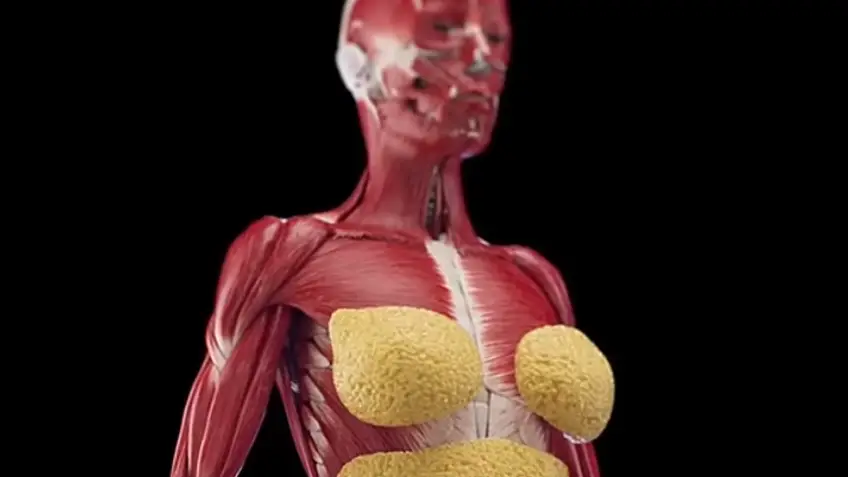
Worrying simulation shows what would happen to your body if you ate nothing for three days
A three day fast is doable, but not something for the faint-hearted


Thinking about ditching food for 72 hours? Well, this is what you're in for.
Dietary fads such as prolonged and intermittent fasting have become increasingly popular online in the past couple of years, as fitness influencers argue that taking a break from enjoying our favourite snacks has various health benefits for our bodies.
You may have heard about trends such as 12/12 fast (which is where you get all your eating done in a 12 hour window) or the 5:2 diet, but what if you were to take things to the extreme and go 24, 36 or even 72 hours without eating any food?
Sounds pretty extreme I know, but it's apparently something several fitness fanatics have completed over the years.
But what would happen if you turned your body into a live science experiment and did just that?

Eating a clock is optional during fasting (Getty Stock Images)
According to one simulation shared on YouTube, your body triggers a number of mechanisms developed to keep us running without any food.
6-10 hours of fasting
After six to 10 hours without food, the body will have burned through existing stores of nutrients from your last meal.
From this point onwards, your pancreas begins releasing glucagon to regulate your blood sugar levels. You'll also begin to feel hungry.
16-24 hours of fasting
Make it to 16 hours without eating and a process called autophagy kicks in, which is where your body begins to break down and recycle damaged cells for energy. The video goes as far as claiming this process can kill cancer cells – however, it is important to note is debated by medical experts. Meanwhile, the body will also experience a spike in growth hormones in order to slow down muscle wastage.
Make it past 24 hours without fuelling your body and you will begin to run completely off your fat stores, while the rest of the body goes into deep repair mode.
48-72 hours of fasting
After 48 hours without food the process of autophagy will increase as the body looks for more things to keep it going. Some people may even experience an increase in mental clarity and cognitive benefits, although i'd imagine the hunger would also be pretty intense at this point.
This continues into the third day as the body goes into survival mode, with one study undertaken by researchers at Queen Mary University of London suggesting the body will go through a 'multi-organ transformation' at this point.
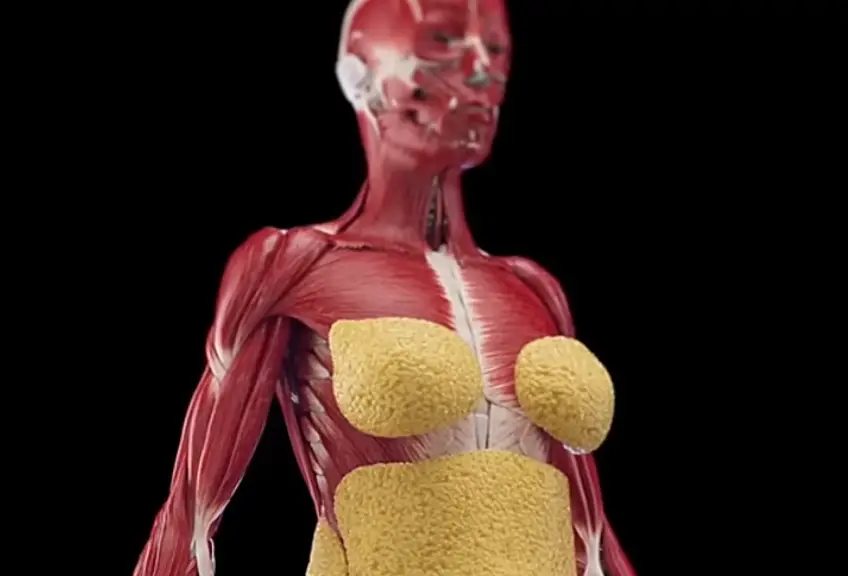
Perhaps the strangest part of these fasting videos is the fact that your skin seems to vanish without food (YouTube/TrainAiFit)
How safe is it to fast for 72 hours?
It goes without saying that just because some people can exist off nothing but water and black coffee for three days, it doesn't mean that everyone can.
If it's weight management you're looking for, then John Hopkins medicine notes that fasting for too long can cause the opposite effect, as the body enters starvation mode and begins to store fat.
Your body can also experience some pretty grim side effects once it enters into ketosis, with symptoms such as fatigue, headaches and brain fog being reported (via Heathline).
Perhaps it's worth a chat with your doctor before considering this one.
Featured Image Credit: (Youtube/TrainAiFit)
Topics: Food And Drink, Health, Science, YouTube, Mental Health