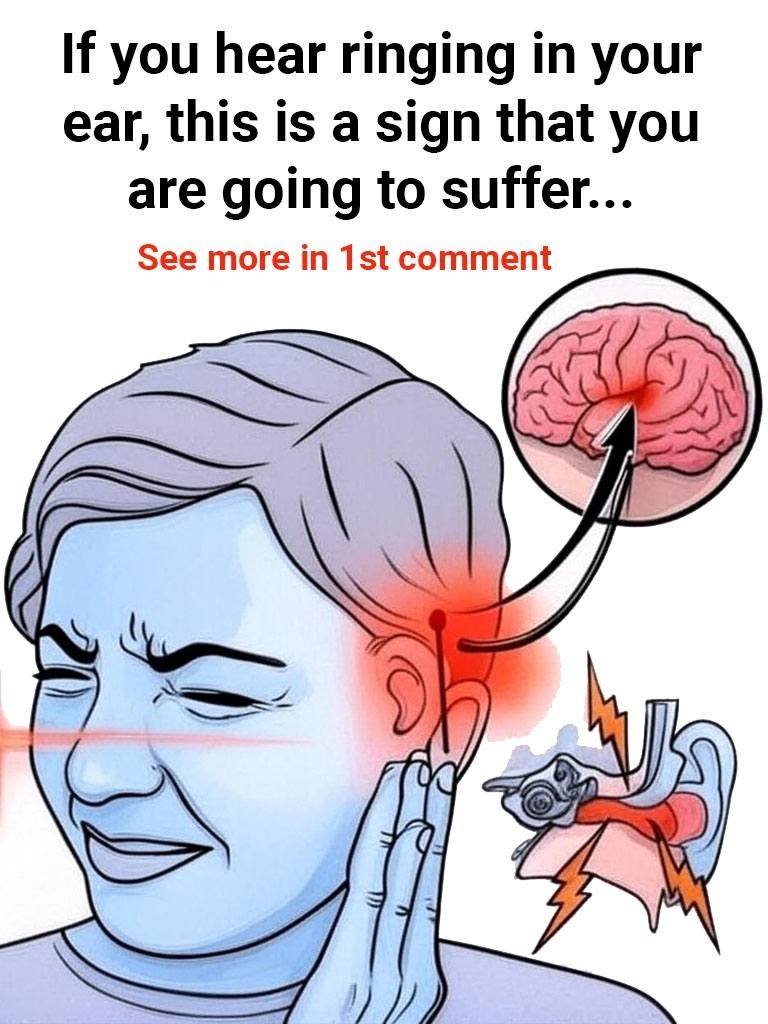
The Surprising Link Between Ringing in Your Ears and Your Brain Health
The Surprising Link Between Ringing in Your Ears and Your Brain Health
Introduction
First, let me say this — if you’ve been hearing a constant ringing, buzzing, or hissing in your ears, you are not alone. I know how unsettling it can be when the world around you seems quiet, yet your ears are playing their own private concert. It’s not just “in your head” — it’s a real condition called tinnitus, and it affects millions worldwide.
I’m sharing this because understanding what’s happening in your body is the first step toward finding peace and relief. If you’d like to keep up with more wellness tips like this, don’t forget to subscribe and get them right in your inbox.
What Is Tinnitus?
Tinnitus is the perception of sound without an external source. That means your ears (and brain) are creating sounds — ringing, buzzing, hissing, or even whistling — that no one else can hear. It can affect one ear, both ears, or feel like it’s coming from inside your head.
Why People Struggle With Tinnitus
-
It can be constant or intermittent.
-
It ranges from mildly irritating to life-disrupting.
-
It often comes with stress, anxiety, or sleep problems.
Why You Should Care
Tinnitus isn’t just an “ear problem.” It’s deeply connected to how your brain processes sound — and how your brain reacts can make it worse or better.
How Tinnitus Affects Your Brain
How Tinnitus Affects Your Brain
-
Changes in Auditory Processing
When your ear stops sending normal sound signals (due to damage or hearing loss), your brain tries to “fill in the gap.” This overcompensation creates phantom sounds. -
Impact on Non-Auditory Brain Regions
Tinnitus can also stir up brain areas tied to emotion, attention, and memory — which is why it’s so mentally exhausting. -
The Stress Loop
-
Tinnitus starts.
-
The brain interprets it as a threat.
-
Stress levels rise.
-
The brain focuses even more on the sound.
-
The ringing worsens.
-
This loop is why tinnitus can feel like a never-ending cycle.